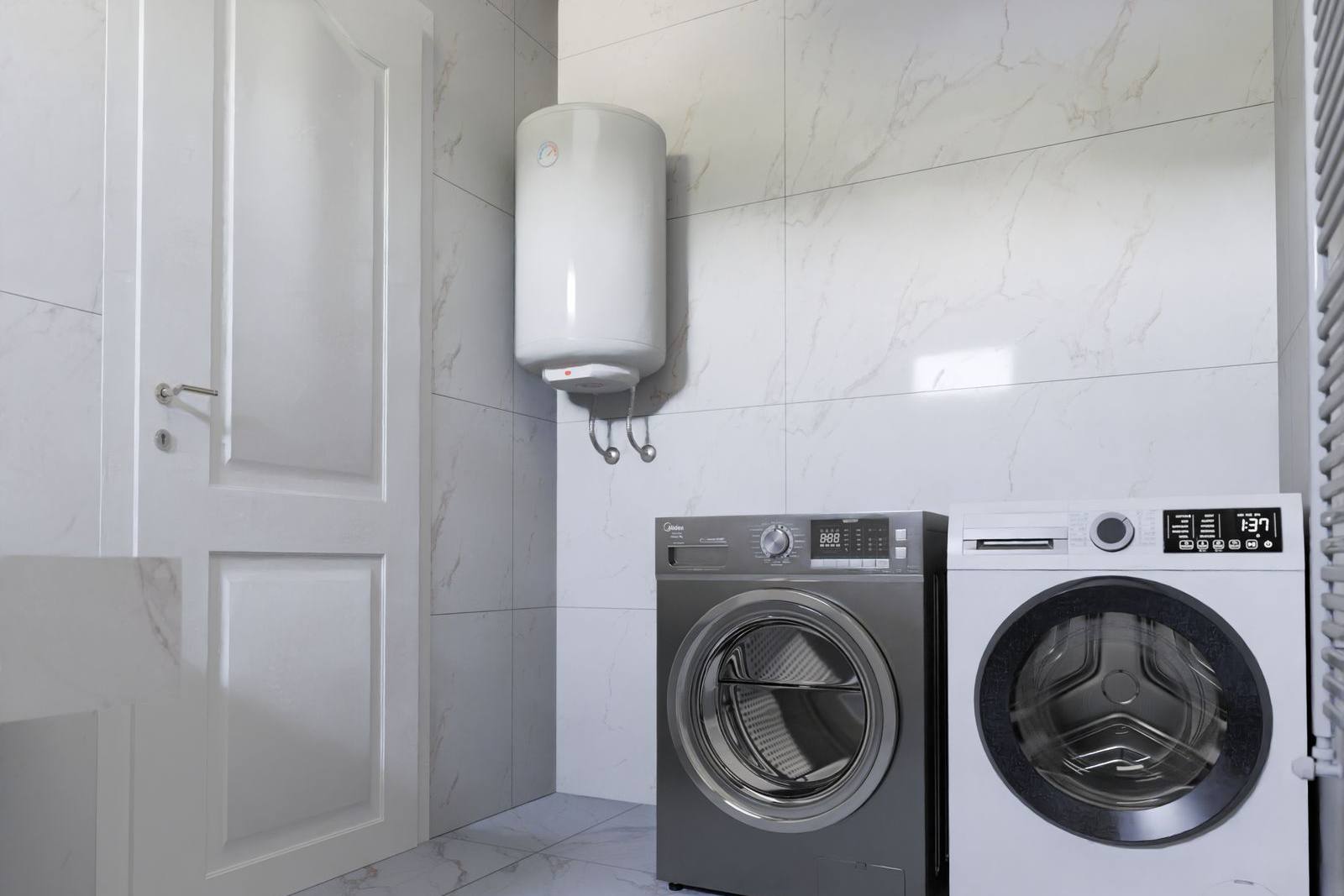
Replacing a water heater in Atlanta
A water heater replacement is a bigger decision than a repair, and it is worth slowing down for. The right choice depends on the age and condition of the old unit, the size of the household, the fuel available, and the house itself — its venting, gas supply, and where the heater sits.
The age split matters. Older intown homes often have original or aging supply lines and heaters in basements that have been finished since the house was built, which can restrict combustion air. Newer suburban homes have heaters in garages or utility closets, installed to modern code, but the humid summers still work on vents and fittings.
Replacement and installation in Atlanta are handled through the same request process as repair. Requests are shared with independent local providers who serve Fulton County, and the provider discusses sizing, options, and pricing directly with you.
When replacement is the right call
- - The tank is leaking. A leaking tank cannot be repaired. Once the tank itself fails, replacement is the only option.
- - The heater is 10–12 years old and needs a major part. A major repair on a heater near the end of its expected life is usually money better spent on a new unit.
- - Repairs keep repeating. Two or three repairs in a year usually mean the heater is failing in several places at once.
- - Hot water runs out constantly. If the household has outgrown the heater, a larger tank or a tankless unit solves a problem repair cannot.
When repair is still the better call
A newer heater with a single failed part — a thermostat, element, thermocouple, or valve — is almost always worth repairing. So is a heater that has been maintained and still has years of life left. The repair page covers the common faults and what they cost to fix.
Choosing the new unit
- - Size — a tank that is too small runs out of hot water; one that is too large wastes energy keeping water hot. Household size and peak demand decide it.
- - Fuel — gas or electric, depending on what the home already has. Switching fuels can mean new gas lines or electrical work.
- - Tank or tankless — tankless gives endless hot water and saves space but costs more to install and needs annual descaling. See the tankless page.
- - Venting and code — replacement work normally includes a permit and inspection, and any venting, gas line, or water connections that no longer meet code are updated at the same time.
Frequently Asked Questions
How much does a replacement cost in Atlanta?
Local firms advertise tank water heater installs in roughly the $1,500–$3,000 range; tankless installs are typically higher. That is an advertised range, not a quote — the provider who responds gives the actual price.
How long does a replacement take?
Most straightforward tank-for-tank replacements are completed in a day. Tankless conversions, gas-line work, or venting changes can take longer.
Should I replace the heater before it fails?
If the heater is past 10–12 years old and showing signs — rusty water, rumbling, repeated repairs — replacing it on your schedule is cheaper and calmer than replacing it after a leak.
What happens to the old heater?
A replacement quote should include removal and disposal of the old unit. Ask the provider to confirm that when they respond.